What Is Rope Access? What to Know Before Someone Abseils Your Building
Look up at almost any tower in the Sydney CBD on a weekday and there's a fair chance someone is hanging off the side of it. Rope access is how a lot of the city's high-rise glass gets cleaned, its facades get repaired and its roof anchors get tested. Yet plenty of building and strata managers have never had it properly explained.
In this blog post, we cover what rope access is, how it works, what it's used for, how it compares with scaffolding and the other options, and what to look for when you're choosing a team.
What Is Rope Access Work?
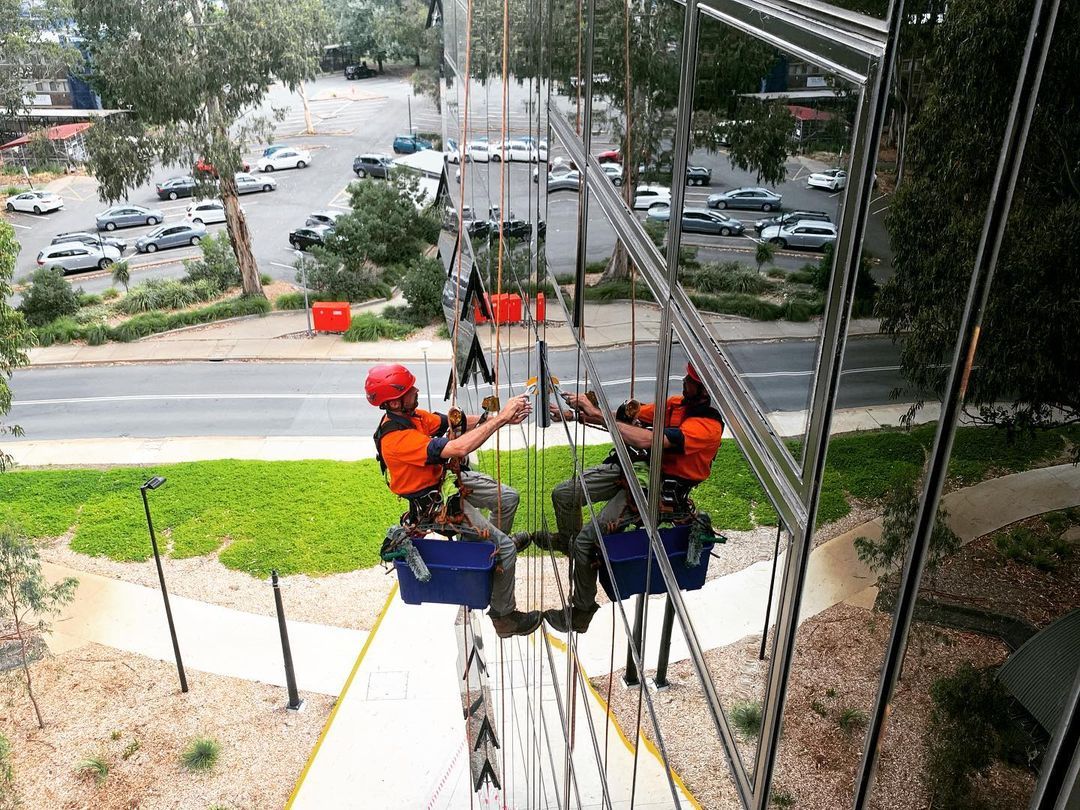
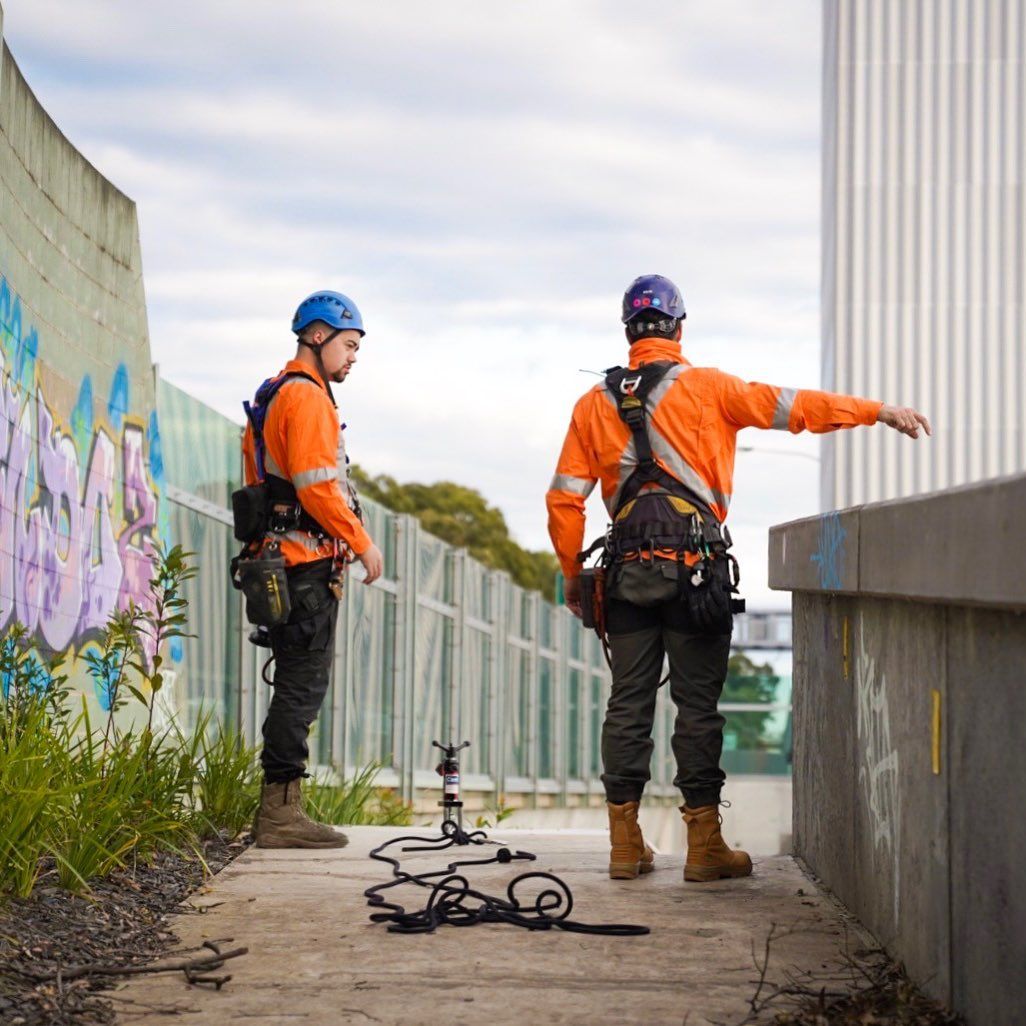
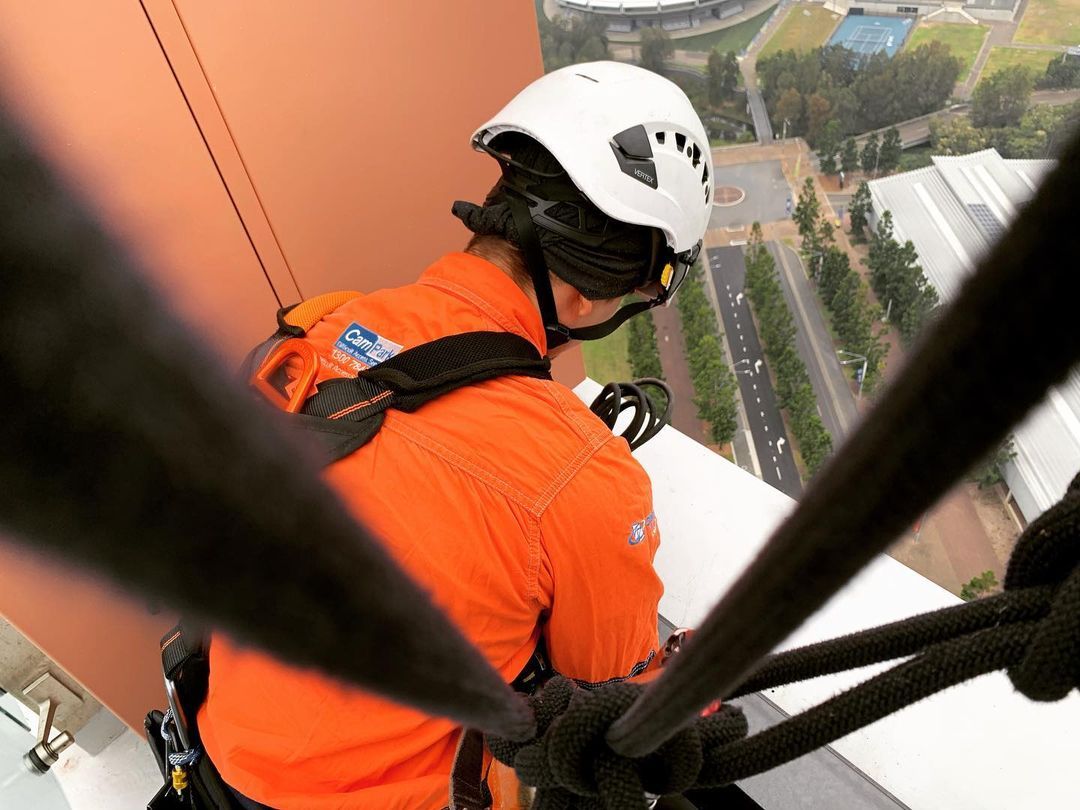
Rope access is a way of working at height where trained technicians use ropes, harnesses and specialised hardware to reach the outside of a building, then stay in position while they work. Instead of building a platform up to the job, the technician comes down to it from the roof.
In Sydney, rope access is used for everything from high-rise window cleaning and facade washing to concrete repairs, leak investigations and anchor certification. It works on buildings ranging from three-storey strata blocks to the tallest towers in the city.
How Rope Access Works
Rope access looks simple from the street, but every job runs on a strict system.
- Two independent ropes - Each technician hangs from a working line and a separate backup line, each attached to its own anchor. If one fails, the other holds.
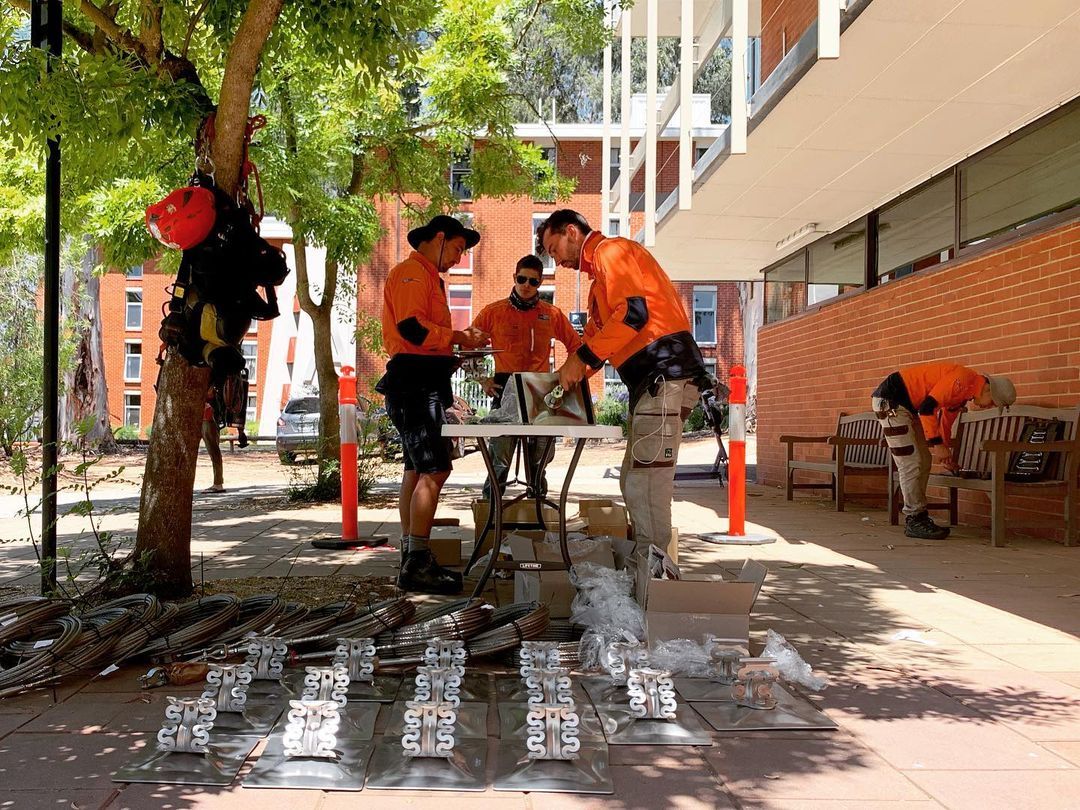
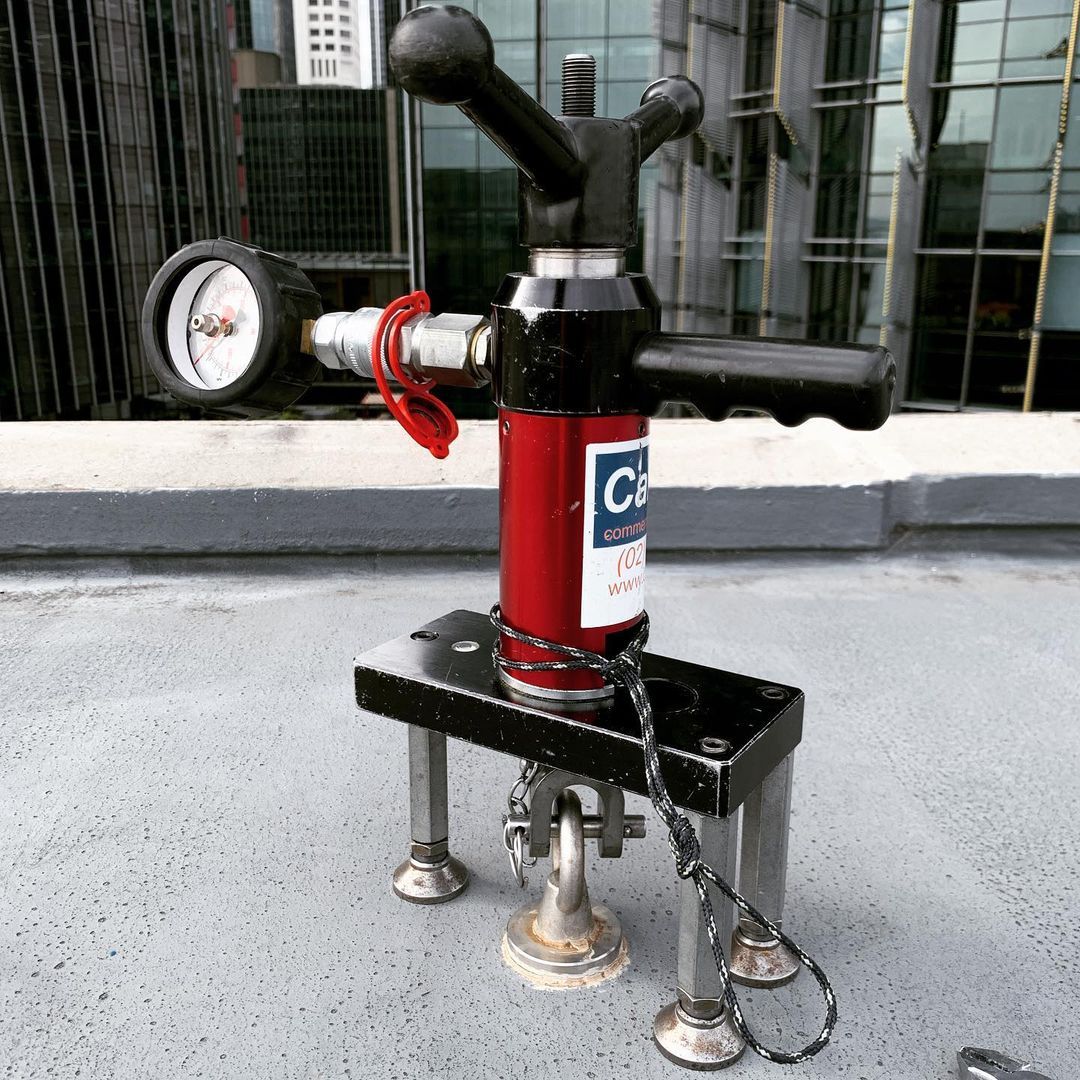
- Certified anchor points - Ropes are rigged from roof anchors that have been tested and certified. If a building's anchors are missing or out of date, they need to be sorted before any work starts.
- Trained, graded technicians - Under the IRATA scheme, technicians are certified at three levels, and a senior Level 3 technician supervises the work on site.
- A rescue plan for every job - The team is trained to rescue a technician from the ropes, and a plan for doing so is in place before anyone goes over the edge.
- Exclusion zones below - The area under the work is closed off so people on the ground stay safe.
What Rope Access Is Used For
Once a technician can reach any part of a facade, a lot of work becomes possible without scaffolding. Common jobs across Sydney include:
- High-rise window cleaning, usually with pure deionised water for a streak-free finish
- Facade cleaning and painting on render, cladding, brick and concrete
- Building maintenance and repairs, including concrete and render repairs, joint sealing and signage
- Strata remedial work such as concrete cancer and render repairs
- Water leak detection on the external envelope, where many leaks start
- Anchor testing and installation to keep a building's height safety system compliant
- Glass restoration for scratches, stains and welder spots on high-rise glass
- Facade inspections, where a technician can get close enough to spot problems a ground-level inspection would miss
Is Rope Access Safe?
It's a fair question. Watching someone dangle from the 30th floor doesn't look safe. But when it's carried out properly, rope access has a strong safety record. IRATA, the international body that certifies rope access technicians, publishes an annual safety report based on data from its member companies, which is worth a look if you want the numbers.
The safety doesn't come from the ropes alone. It comes from the whole system: two ropes, certified anchors, graded supervision, a rescue plan and a team that follows the rules every time. Where things go wrong, it's usually because an operator has cut corners, which is why it pays to check a provider's credentials before you book.
Rope Access vs Scaffolding and Other Methods
Rope access isn't the right answer for every job, so it helps to know how it stacks up against the alternatives.
- Scaffolding gives multiple trades a stable platform for long periods, which suits major construction or remedial projects. For shorter jobs, it's slow and expensive to erect, and it often blocks footpaths.
- Boom lifts and elevated work platforms are quick for low buildings with good ground access, but they're limited by their reach and need a stable, level area to park.
- Building maintenance units are permanent cradles on some towers. They're useful for routine cleaning, and rope access is often used alongside them to reach the areas a cradle can't.
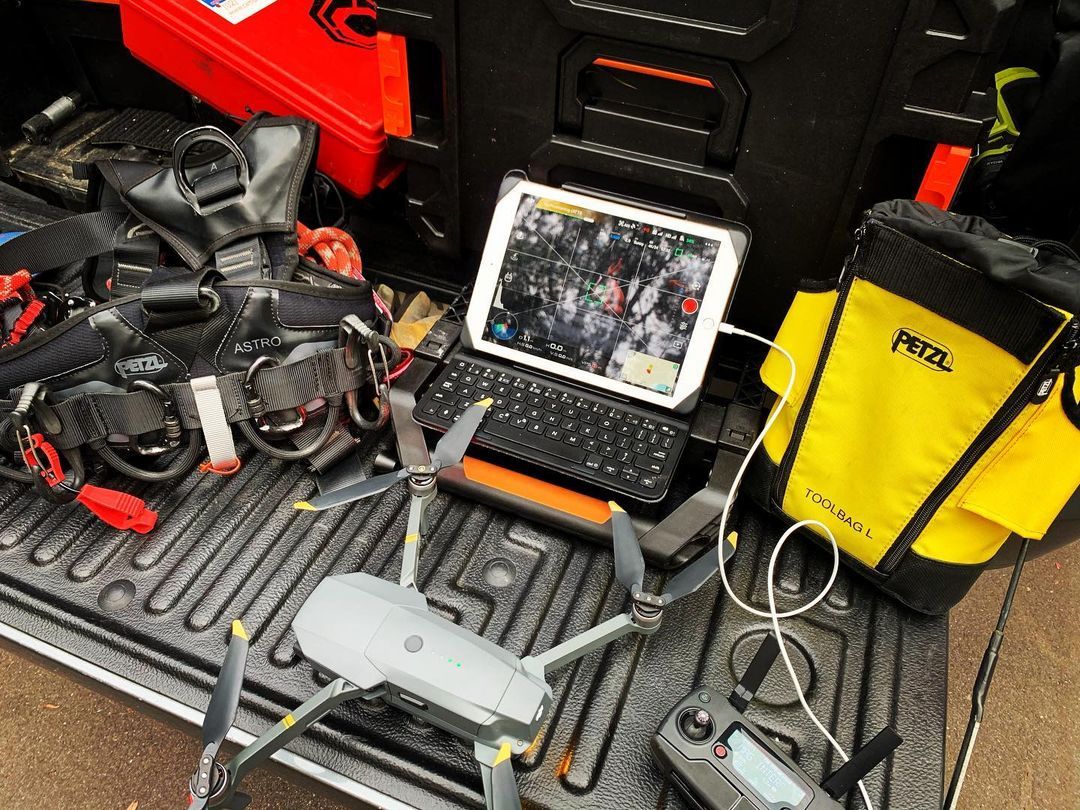
- Drone washing is a fast option for broad surfaces like facades, roofs and industrial structures, though detailed work still needs a technician on the ropes.
For most cleaning, inspection and repair work on Sydney buildings, rope access is the quickest and most cost-effective option. There's nothing to build, nothing parked on the street, and the job can usually start the same day the team arrives.
Why Rope Access Suits Sydney Buildings
A few things about Sydney make rope access a particularly good fit.
- Tight CBD sites - Many city towers sit right on the footpath with no room for scaffolding or machinery. Rope access works from the roof, so the street below stays open.
- Coastal exposure - Salt air near the harbour and beaches speeds up staining, corrosion and concrete deterioration, which means buildings need cleaning and maintenance more often.
- A lot of strata living - Owners corporations want work done with as little disruption to residents as possible, and rope access keeps balconies and common areas clear.
- Heritage buildings - Rope access puts very little load on a building and avoids the scaffold ties and fixings that can mark older facades, which makes it a gentle option for heritage structures.
What Does Rope Access Cost?
There's no set price, because every building is different. The main factors are:
- the height and size of the building
- the type of work, from a routine window clean to concrete repairs
- how many technicians the job needs, and for how long
- whether the roof anchors are already certified
- site conditions, such as access to the roof and the area below
The best way to get a real number is a site inspection and a written quote. For most cleaning and maintenance work, rope access usually costs less than scaffolding, mainly because there's no setup and dismantling to pay for.
How to Choose a Rope Access Company
Not every rope access team works to the same standard. Before you book, check that they have:
- Certified technicians, such as IRATA-qualified staff, with a senior technician supervising on site
- Current insurance, including public liability
- A process for checking anchors, and the ability to test or install them if needed
- Written risk assessments, safe work method statements and a rescue plan for your job
- Relevant experience, ideally on buildings like yours, with examples they can share
- Clear quotes that spell out exactly what's included
A good provider will be happy to show you all of this without being asked twice.
Working With Difficult Access Services
At Difficult Access Services, rope access in Sydney is what we do every day, on everything from strata blocks to commercial towers. Our technicians clean, inspect, repair and maintain buildings at any height, and we'll always tell you honestly whether rope access is the right fit for your job.
If you've got a building that needs attention, get in touch or call us on 1300 784 727. We'll take a look and give you a clear plan and a free quote.