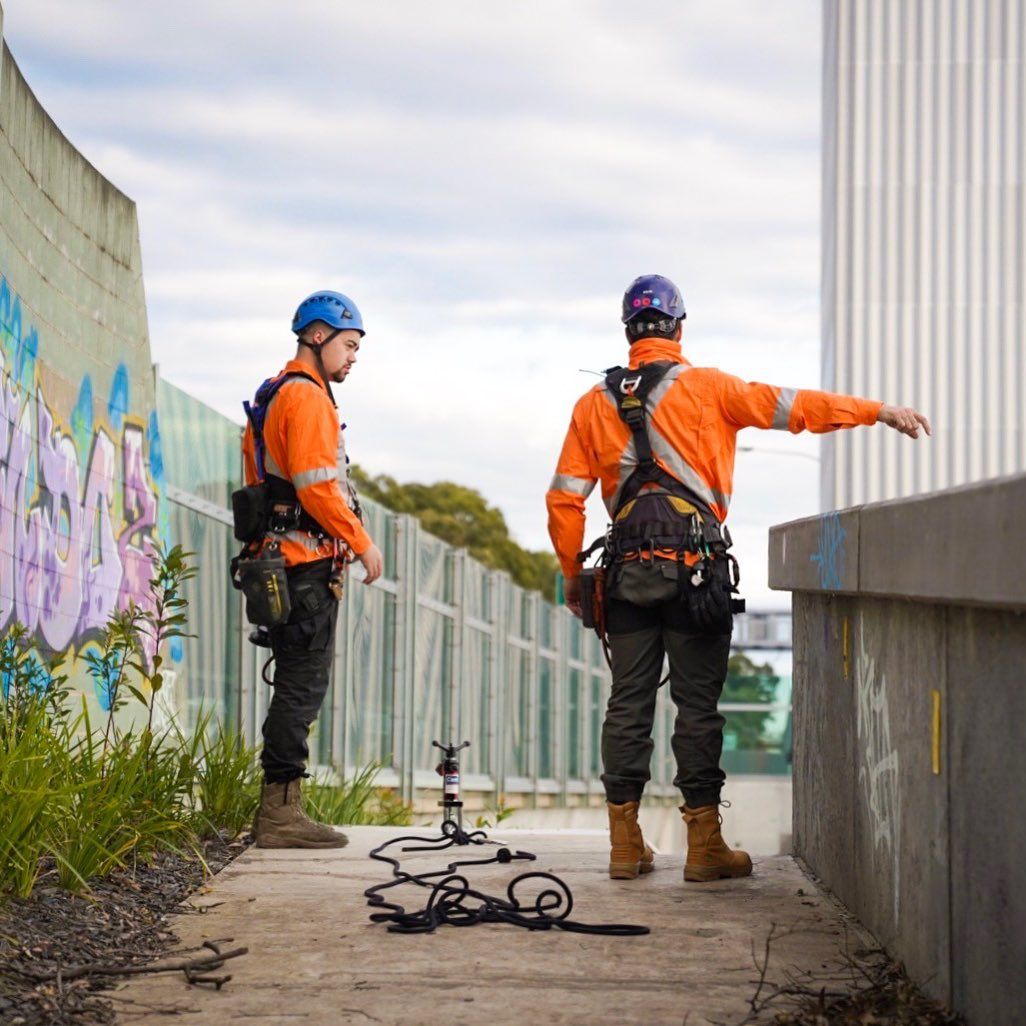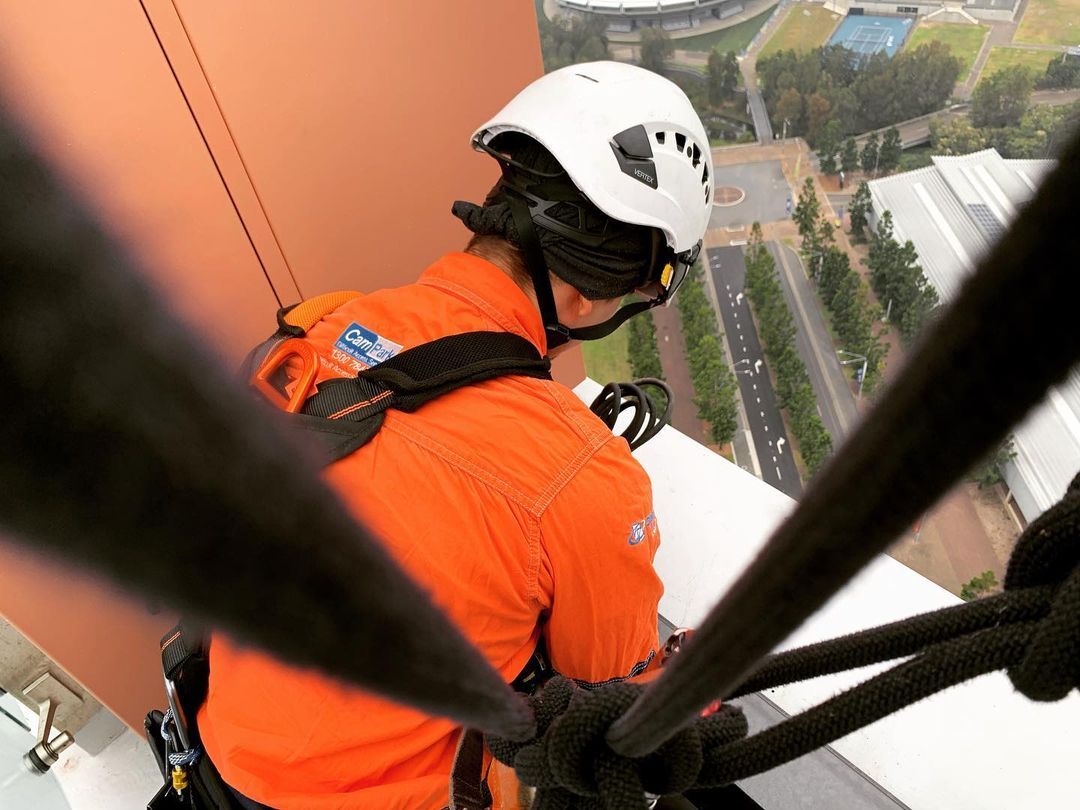
Anchor Testing, Compliance AND Installation
Height Safety Systems
Our expert team provides comprehensive and specialised advice on issues relating to building height safety requirements on commercial, residential and industrial structures.
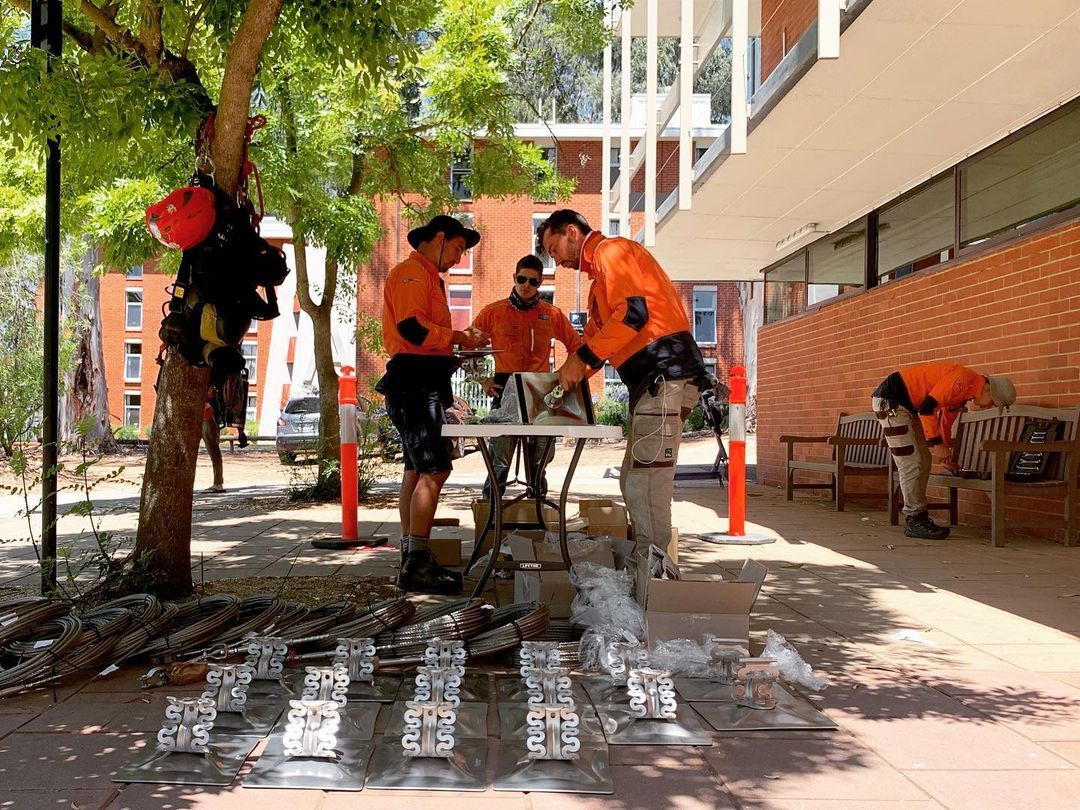
From design through to order, from installation through to certification, we are here to meet your needs across construction and maintenance projects. We are certified installers and have access to the best products and full technical support from industry-leaders in height safety.
- SAYFA Accredited Installer
- SafetyLink Accredited Installer
- SRA Accredited Installer
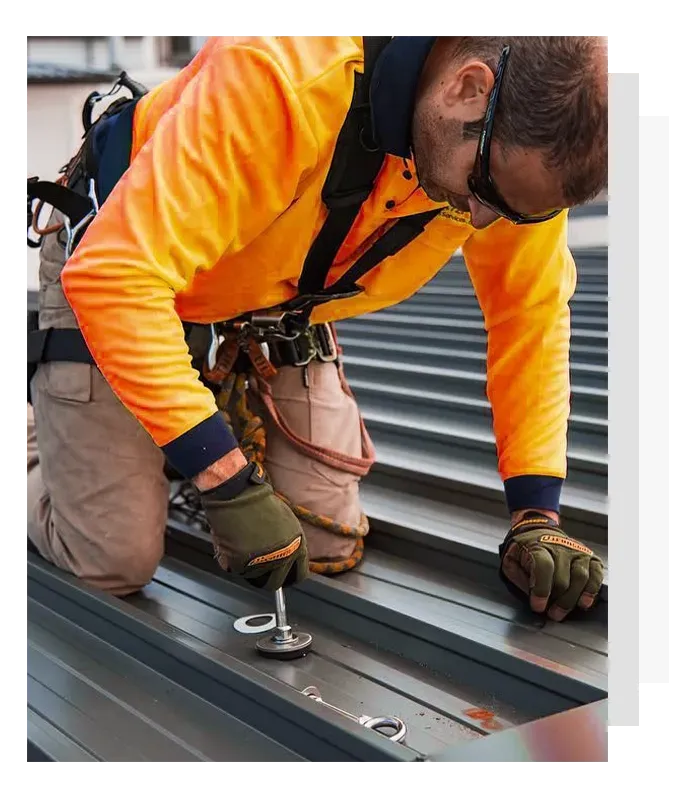
Anchor Testing & Compliance
Building owners, PCBU building managers or property management companies have a legal requirement to provide a safe working environment for all workers onsite. On site testing is essential to verify that all Work Cover safety compliances are met, keeping you and your team, contractors and/or site visitors SAFE when working at heights or accessing roofs.
- Height Safety System Audit on your building
- Evaluate and inspect existing Height Safety Systems
- Conduct annual Height Safety System Testing and Certification
- Height Safety System Design & Installation
We can provide and install a wide range of fall restraint and fall arrest systems to ensure ALL areas can be accessed safely.
- Industrial fall arrest and abseil anchor points
- Horizontal and vertical lifelines
- Ladder stabilisers
- Permanent ladder systems
- Guard rails and walkway systems
- Supply Personal Protective Equipment (PPE)
- Supply portable deadweight anchors
All of the products and components we install are engineered and tested in Australia, meeting compliance with Australian Standards.
- AS/NZS 5532:2013
- AS/NZS 1891
- AS/NZS 1657
- ISO 22846-1:2003
- ISO 22846-2:2012
All products installed are covered with a 10-year warranty against faulty materials and manufacturing.
Frequently Asked Questions About Anchor Testing
What is anchor testing and why is it required?
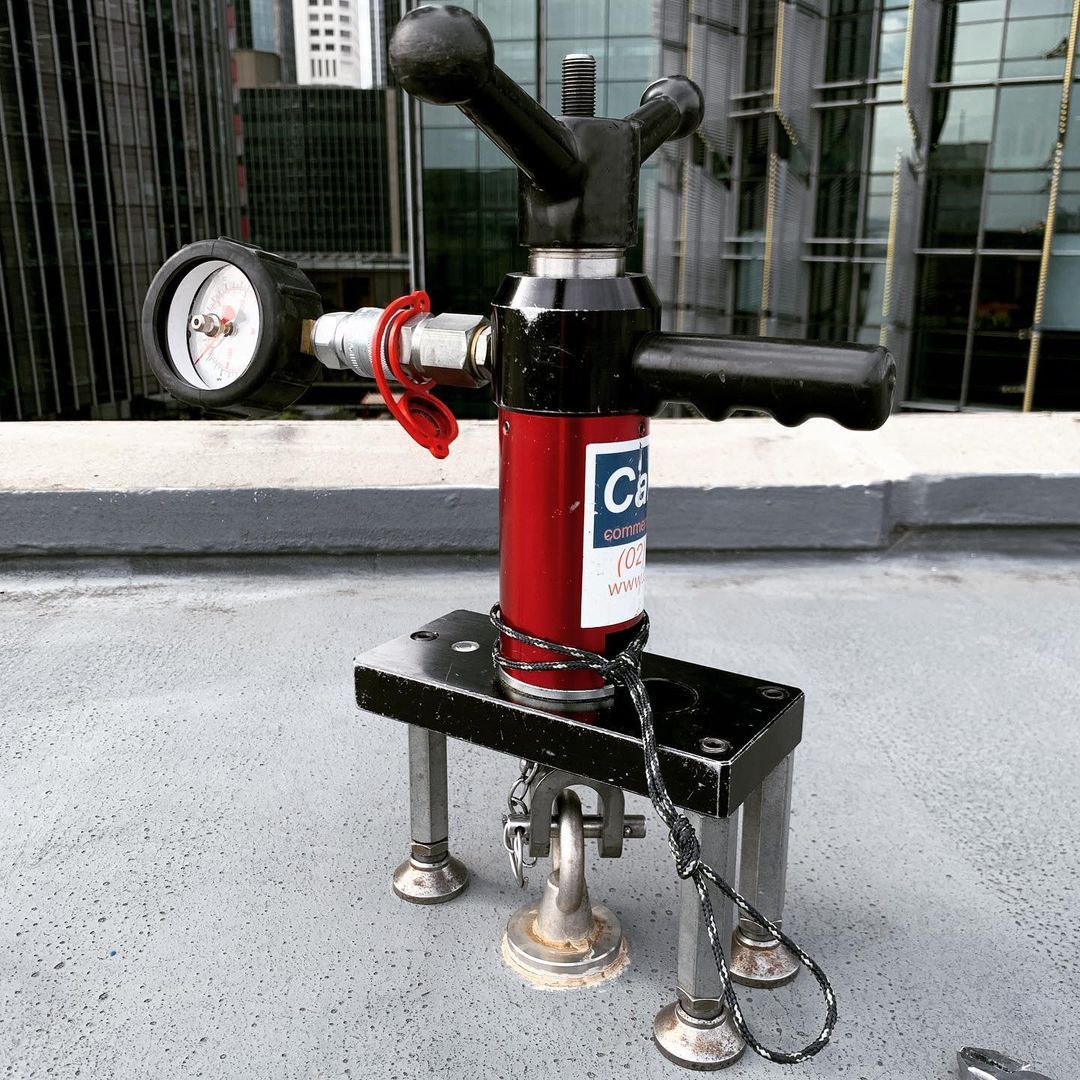
Anchor testing is the process of applying tensile or shear force to height safety anchor points to verify their strength and confirm they have been installed correctly and can withstand the loads they are rated for.
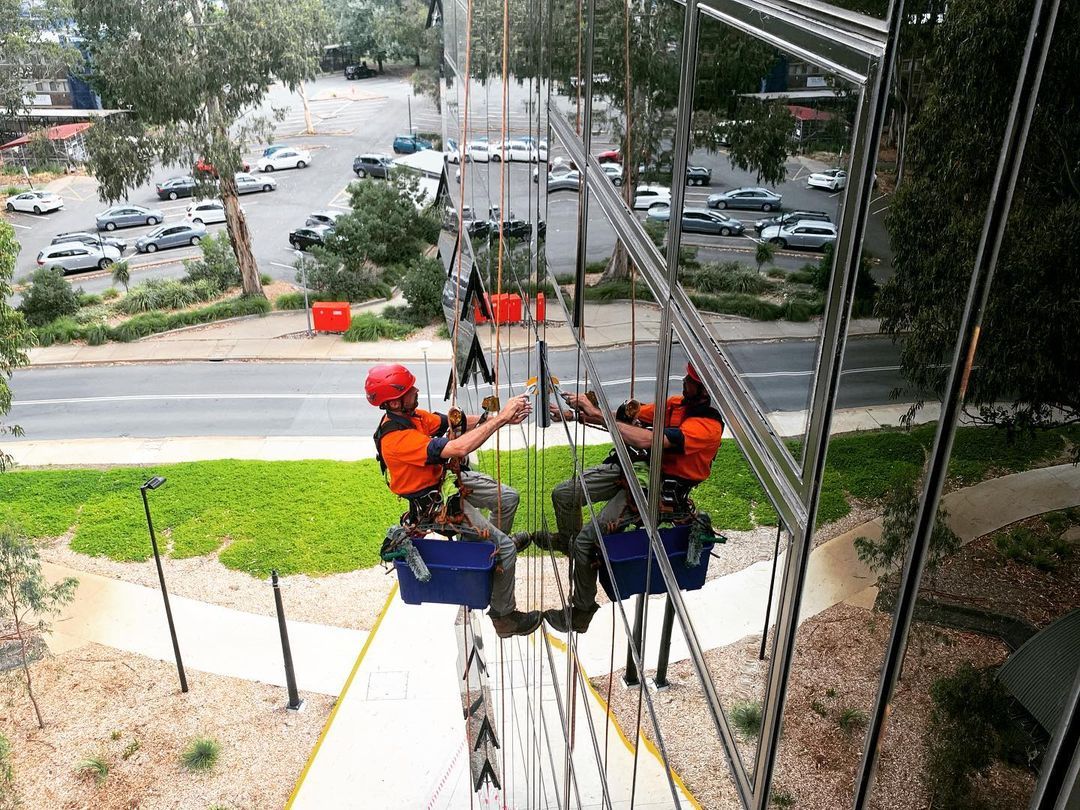
In Australia, building owners and PCBUs (Persons Conducting a Business or Undertaking) have a legal obligation to maintain safe working conditions for anyone accessing heights on their property. This requirement is critical for any site where workers rely on anchors, including roof anchors, ground anchors and facade anchor systems.
On site testing confirms that each fixing can handle its specified load requirements without failing, and that the installation quality and base material meet the standard required. Without regular site testing and certification, your height safety system cannot be considered compliant with Australian safety regulations.
How often is on site testing required for anchor points?
In New South Wales, anchor points must be tested and certified at least once every 12 months. This annual cycle applies to all types of height safety systems, including individual anchor points, ground anchors, horizontal lifelines and vertical lifelines.
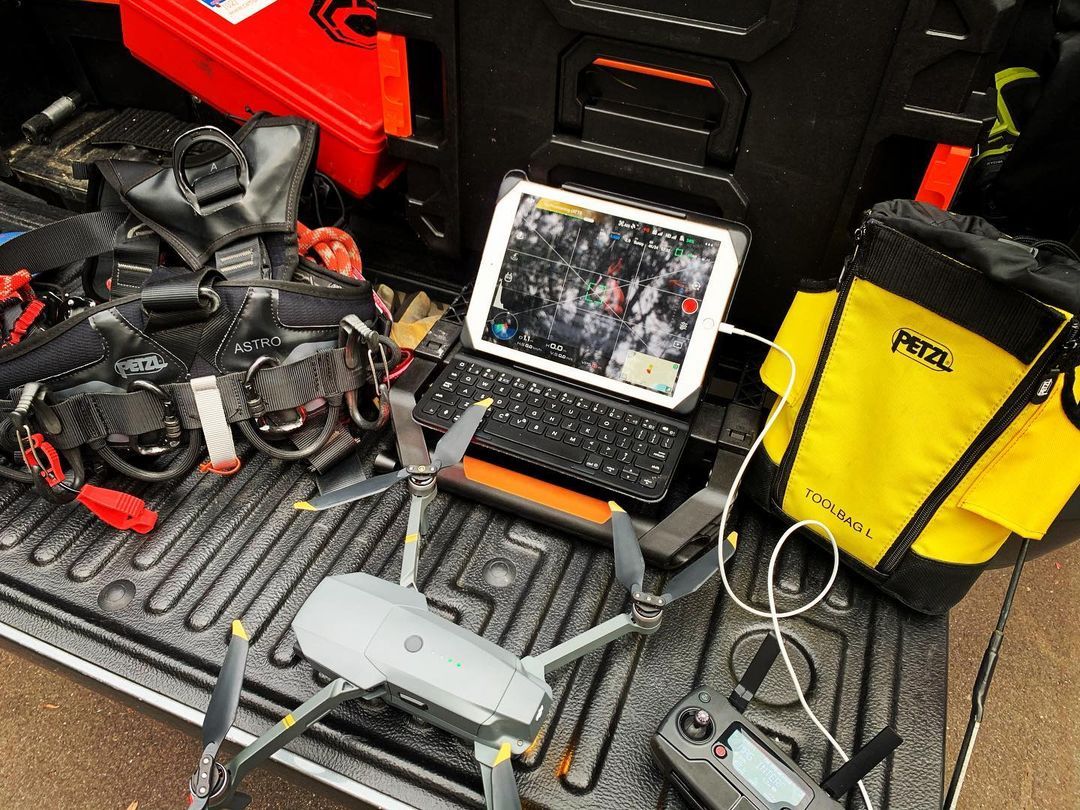
If an anchor has been subject to a fall arrest event or any structural modification to the building, site testing should be carried out immediately rather than waiting for the next scheduled inspection. Test reports from each annual assessment must include detailed inspection results and be kept on record as evidence of compliance. This information helps building owners and property managers find any issues early and address them before the next scheduled time.
What is the difference between destructive and non-destructive anchor testing?
Non-destructive testing is the standard method used for annual compliance checks. It involves pulling an anchor to a designated test load, which is a predetermined force calculated to confirm the anchor's integrity without damaging it. The proof load is typically calculated using a 0.67 capacity reduction factor applied to the anchor's rated working load. This method verifies the anchor's performance and confirms the effectiveness of the installation while leaving the anchor fully functional. The applied test load must meet defined acceptance criteria for the anchor to receive a passing result.
Destructive testing, also known as Ultimate Load Testing, is a different process used to determine the absolute maximum load capacity of an anchor. It pushes the anchor to its ultimate load, meaning it is tested to the point of failure. Destructive tests include tensile and shear tests and typically require 5 to 15 test trials for proper evaluation. This method is generally used during product development, engineering validation or when there is a critical concern about the stability of an anchor system. There is no substitute for destructive testing when the goal is to establish the absolute load capacity of post installed anchors or ground anchors in variable base materials.
How many anchors need to be tested on a building?
For fall arrest systems, 100% of anchors must be tested. There is no sampling approach permitted for anchors that are part of a fall arrest system, because every single point in the system is a potential life-safety connection. The scope of site testing covers all anchor types within the system, including roof anchors and ground anchors.
For post-installed concrete anchors assessed under AS 5216:2018, a minimum of three test specimens is recommended per anchor type and installation condition on a case-by-case basis. The number of test trials can range from 5 to 15 depending on the testing method and the level of certainty required around installation quality and base material performance.
What Australian Standards apply to anchor testing?
Several Australian and international standards govern height safety system design, installation and testing. Key standards include AS/NZS 5532:2013, which covers the design, installation and testing of fall protection anchor devices, and AS/NZS 1891, which covers industrial fall arrest systems and devices. AS 5216:2018 sets out the standards specifically for post-installed and chemical anchors in concrete, addressing factors such as rebar proximity, base material type and anchor selection.
Additional standards such as AS/NZS 1657 (fixed platforms, walkways, stairways and ladders) and ISO 22846-1:2003 and ISO 22846-2:2012 (rope access methods) also apply to broader height safety system compliance. These standards also account for anchors installed in rock, soil and other variable substrates where ground anchors are used. Quality assurance processes within these frameworks confirm that anchors are installed correctly and can bear their intended loads under real working conditions.
What do anchor test reports and certification include?
After testing is completed, a certification report is issued that documents the condition and compliance status of every anchor point on the building.
Test reports typically include the type and location of each anchor, the test method used, the proof load applied, the pass or fail result for each individual anchor, any defects or issues identified during the visual inspection, and comments or recommendations for remediation or replacement where required.
This certification documentation serves as your compliance record and may be requested during a workplace safety audit or by your insurer. The information in these reports helps clients demonstrate the highest level of compliance.
If questions arise about the stability of a height safety system, certification provides a clear answer backed by documented evidence. Certification guarantees that the system has been assessed against the relevant Australian safety regulations and that the tested anchors meet the required load specifications.
Can you install new anchor points as well as test existing ones?
Yes. Difficult Access Services provides full design, supply, installation and certification of new height safety systems alongside testing and compliance services for existing setups. We are accredited installers for Sayfa, SafetyLink and SRA, and all products we install are engineered and tested in Australia. Our choice of manufacturer partners means we can offer the right solutions for any budget.
Whether you need individual anchor points, horizontal or vertical lifelines, guardrails, walkway systems, ladder stabilisers or portable deadweight anchors, we handle the entire process from initial height safety audit through to final certification, making it easy for you to reach full compliance. All installed products are covered by a 10-year warranty against faulty materials and manufacturing.
Who is responsible for anchor testing compliance on a building?
The building owner or PCBU is ultimately responsible for maintaining a safe working environment for all workers, contractors and visitors who access heights on the property. This includes property managers, strata managers and body corporates who manage buildings on behalf of owners.
Failing to maintain compliant height safety systems can result in significant penalties under Work Health and Safety legislation, and may also affect insurance coverage in the event of a workplace incident. Scheduling annual anchor testing is the perfect way to stay ahead of these obligations, and keeping certification records up to date makes it easy to respond if an audit or insurance claim arises.