water drainage solutions SYDNEY

Poor drainage in commercial and strata buildings rarely announces itself until the damage is already done. Water pooling on rooftops, backing up through blocked scuppers, or sitting against podium membranes will cause water damage to the structure over time, leading to erosion, membrane failure, and costly repairs that a functioning stormwater drainage system would have prevented. The problem in multi-storey buildings is that most of the infrastructure responsible for getting water off the building is positioned well above ground — and a blocked outlet at level eighteen is not something any contractor can reach from a ladder or the street.


At Difficult Access Services, we provide professional water drainage solutions for commercial and strata buildings across Sydney. A standard drainage contractor works from the ground up. Our experienced team of rope access technicians works from the top down, abseiling directly to roof outlets, parapet gutters, scuppers, mid-facade downpipe connections, and upper-floor balcony floor wastes that no one else can reach without erecting scaffolding. Where a blockage sits halfway up a thirty-storey downpipe, we can get to it. All drainage work is carried out in compliance with AS/NZS 3500.3 standards by qualified professionals.


For water drainage solutions in Sydney, trust Difficult Access Services to assess, clear, and repair your building's drainage infrastructure before standing water becomes a structural problem.
Worker in orange safety vest cleaning leaves from a rooftop drain beside a bucket and ladder

Our Water Drainage Solutions Include:

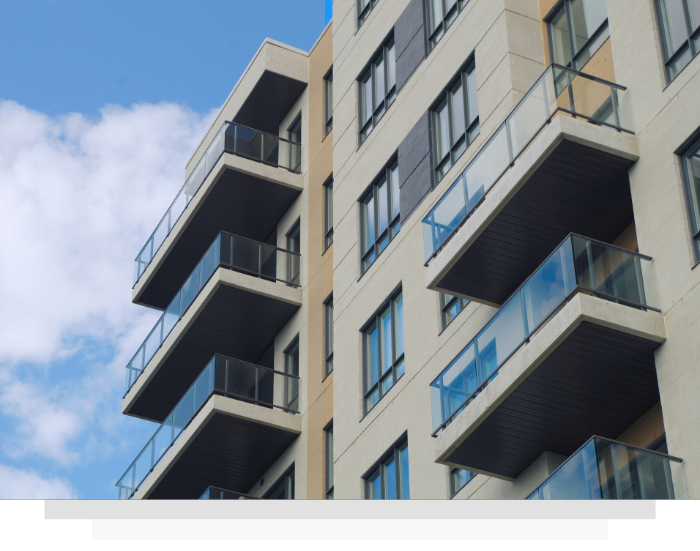
Modern apartment building with beige walls and glass-railed balconies against a blue sky

Drainage Inspections & Condition Assessments

A comprehensive assessment of a building's drainage needs is the foundation of any effective solution. We carry out detailed inspections of roof outlets, gutters, downpipes, scuppers, balcony drains, and podium channel systems at height, identifying blockages, deterioration, and design deficiencies that are driving water accumulation issues.
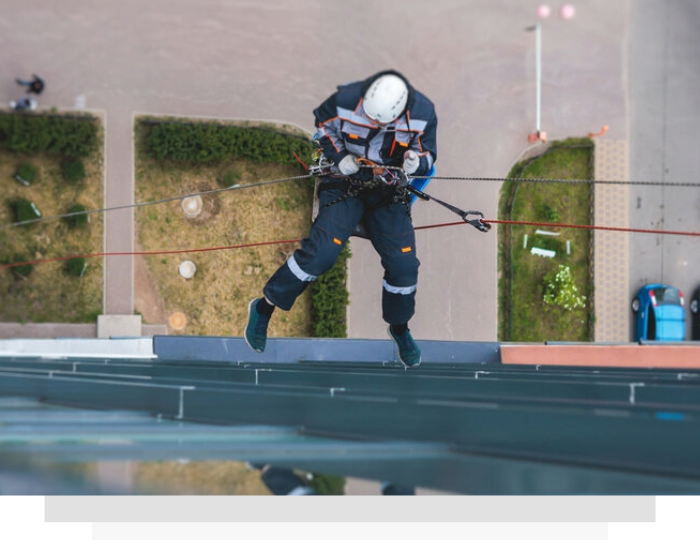
Rope technician in orange helmet and harness rappelling beside a sloped rooftop.

Roof & Gutter Clearing

Blocked gutters and roof outlets are among the most common causes of rainwater overflowing into the building envelope, creating water buildup that puts immediate pressure on surrounding membranes. We clear and flush these systems via rope access, restoring stormwater drainage capacity across rooflines and parapet gutters that cannot be serviced from a ladder.
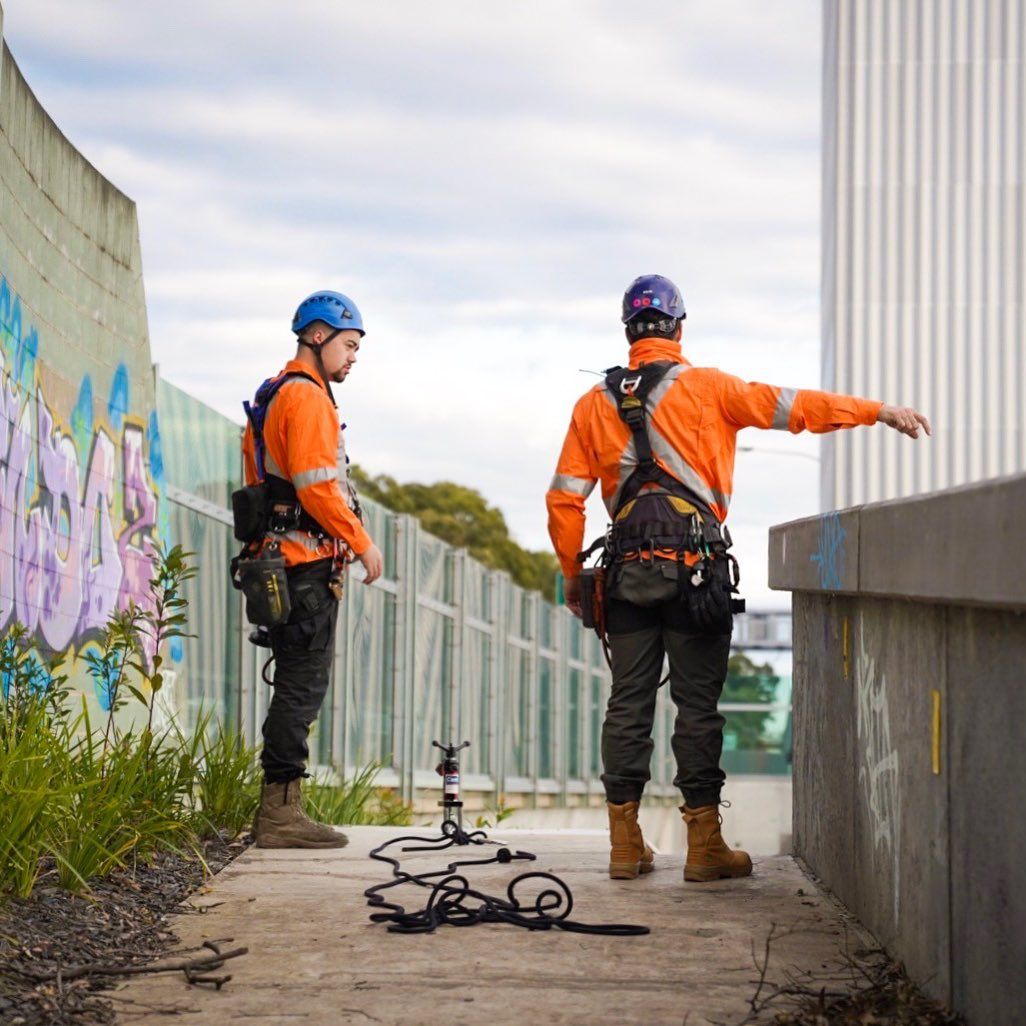
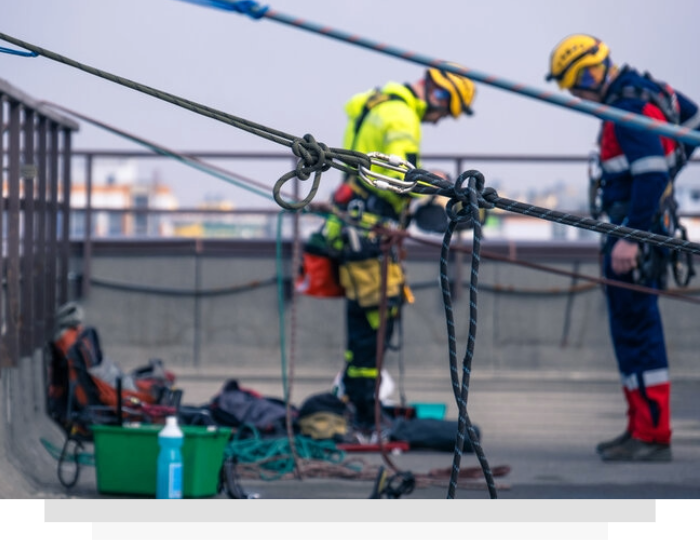
Two climbers on a rooftop, one adjusting gear and the other holding a rope, with a cityscape in the background

Downpipe & Scupper Clearing

Clogged downpipes and scupper outlets cause excess water to back up on rooftops and upper-level podiums during heavy rain, placing pressure on surrounding membranes and joints. We clear obstructions at height and inspect the condition of pipe connections, brackets, and discharge points to confirm proper water flow through the system.
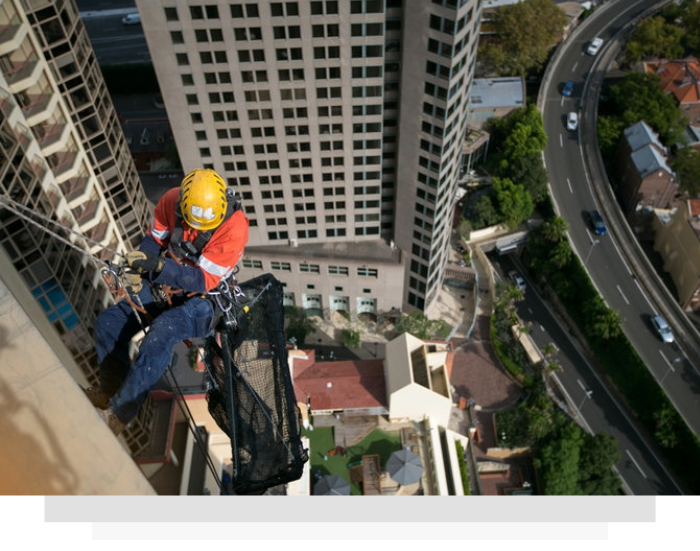
Two window washers rappel down a tall building beside a city street, one holding a tablet-like device.

Channel & Surface Drain Maintenance

Channel drains and surface interceptors on podiums, terraces, and hard surfaces at grade collect surface water over a wide area and direct it into the building's stormwater drains. When these become blocked with sediment or debris, excess water overwhelms surrounding surfaces rapidly. We service these systems and clear obstructions before they escalate into flooding events.
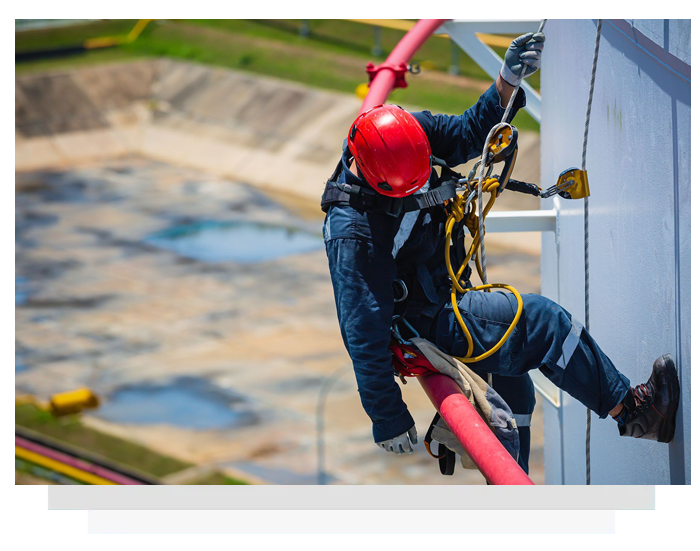
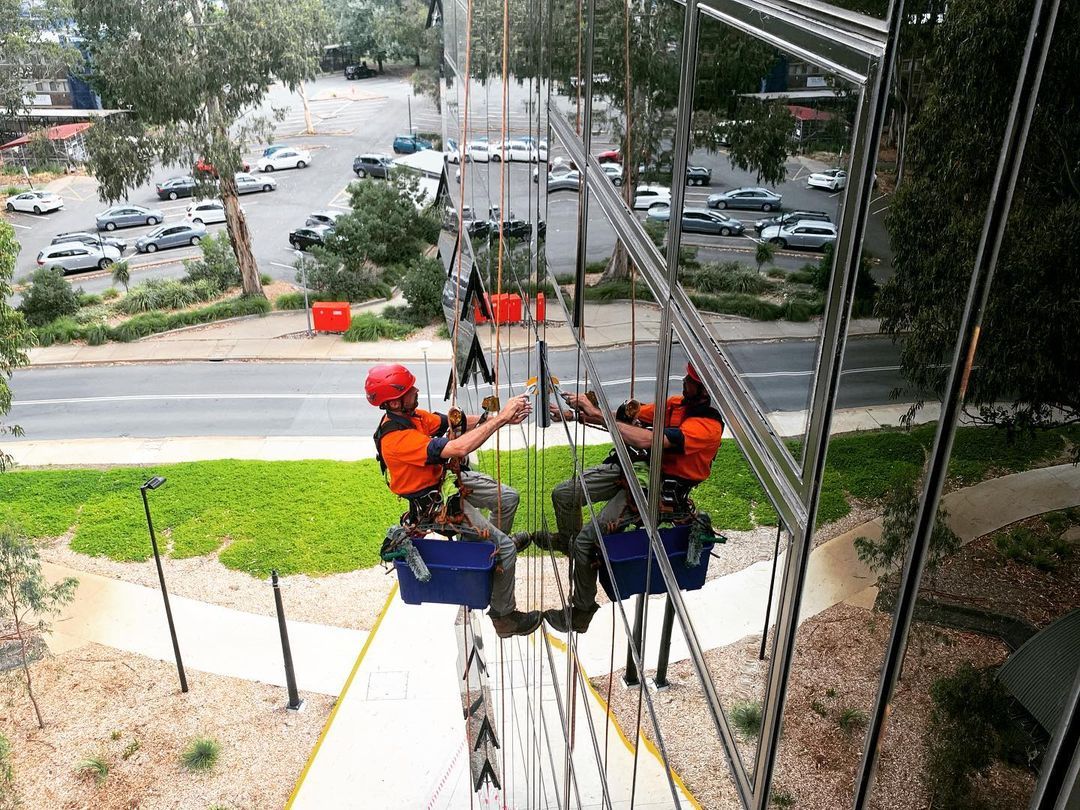
Worker in red helmet rappelling down a building wall with safety harness and rope

Drainage Outlet Repairs & Replacements

Deteriorated or damaged drainage outlets, grates, and frames allow water to bypass the drainage system or cause localised water buildup that accelerates membrane wear. We carry out targeted repairs and drainage installation using durable materials at height, reinstating proper drainage without the disruption and cost of erecting scaffolding.
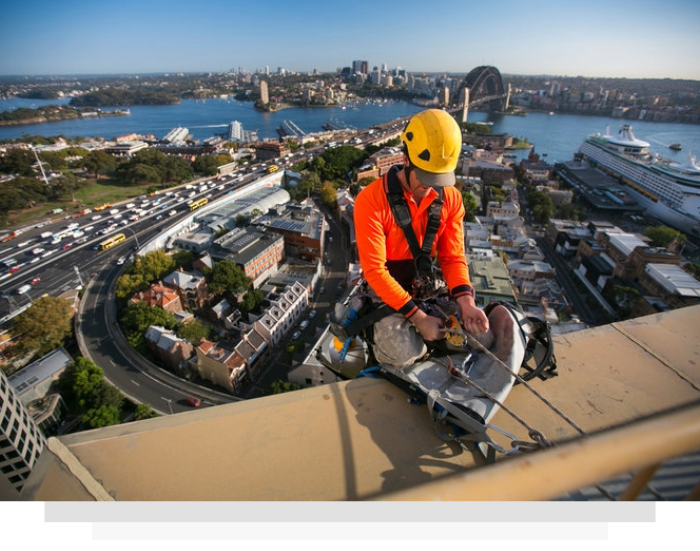
Worker suspended beside glass skyscraper using a tablet and color chart; smartphone interface displayed nearby

Drainage Reporting & Maintenance Programmes

Following every inspection and service visit, we provide detailed reports documenting the condition of drainage systems, blockages found and cleared, and recommendations for repair or ongoing maintenance. Regular maintenance programmes are among the most effective preventative measures available to strata and commercial buildings, and form the backbone of any sound stormwater management strategy.

The Difficult Access Difference

high rise building

We Reach What Others Cannot

Most critical drainage infrastructure on multi-storey buildings sits well above ground level. Roof outlets, upper-floor scuppers, and parapet gutters require working at height to access and service properly. Our rope access technicians get directly to these points rather than attempting to service them from below or leaving them uninspected.

A person is surrounded by three stars in a circle.

Decades of Experience on Sydney Buildings

With over 30 years working on commercial and strata buildings across Sydney and Wollongong, our team understands how stormwater drainage systems behave across diverse applications and what drainage solutions are appropriate for each — different building types, ages, and construction methods — and what early warning signs look like before drainage issues escalate into visible damage.

height safety tools

Minimal Disruption, Maximum Efficiency

Rope access requires no scaffolding, no boom lifts, and no footpath closures. Drainage inspections and maintenance are carried out efficiently and with minimal interference to building occupants, which is particularly important for occupied strata and commercial buildings with active ground-floor tenancies.

checklist

Compliance & Safety First

All drainage work is carried out in full compliance with AS/NZS 3500.3 and relevant Australian Standards for working at height. Our technicians are rigorously trained, certified, and equipped to work safely on any building type or height.
Water Drainage Solutions Sydney FAQs

  • Why does drainage matter so much in multi-storey buildings?

    In a multi-storey building, water that cannot drain freely does not simply sit in place. During heavy rainfall, runoff concentrates at the lowest available point, and if drainage outlets are blocked or undersized, water backs up onto rooftops and podiums, placing hydrostatic pressure on surrounding membranes, joints, and facade elements. Over time this leads to membrane failure, water ingress into occupied floors, and in severe cases, damage to structural elements and foundations.


    Effectively working to manage stormwater (capturing, channelling, and discharging it correctly)  is one of the most important factors in maintaining a building's weatherproofing integrity. Buildings with unresolved stormwater drainage issues are consistently more prone to membrane failures and structural water ingress than those with well-maintained systems.

  • What are the most common drainage problems in strata and commercial buildings?

    The most frequently encountered issues are blocked drains and roof outlets caused by sediment and debris accumulation, tree root intrusion into stormwater drains and below-ground connections, deteriorated grates and outlet frames that no longer seat correctly, undersized or poorly positioned channel drains on podiums and terraces, and downpipes that have corroded, disconnected, or been damaged.


    In older Sydney buildings, drainage systems are sometimes undersized relative to current rainfall intensities, which means even a well-maintained system can be overwhelmed during significant weather events.

  • How often should drainage systems be inspected and maintained?

    Routine inspections at least once or twice a year are recommended for most commercial and strata buildings, with additional checks following periods of heavy rainfall or after major works on the roof or upper levels. Neglecting drainage maintenance allows blockages to develop gradually in gutters, downpipes, and trench drains until they cause flooding, erosion, or membrane damage — all of which are significantly more expensive to remediate than a scheduled clearing visit. For buildings surrounded by large trees or in areas with high sediment loads, more frequent maintenance may be warranted.

  • Can you service drainage infrastructure that is not accessible from the roof?

    Yes. Some drainage outlets, scuppers, and channel systems are positioned on upper-level facades, balcony soffits, or intermediate ledges that cannot be reached from the rooftop or from ground level. Rope access allows our technicians to position themselves precisely at these locations and carry out inspection, clearing, or repair work regardless of where the infrastructure sits on the building.

  • What is the difference between surface drainage and subsurface drainage?

    Surface drainage refers to systems that collect and remove water from exposed horizontal surfaces — rooftops, podiums, balconies, terraces, and paved areas. This includes gutters, channel drains, scuppers, and roof outlets.


    Subsurface drainage refers to systems designed to intercept and redirect groundwater or water that has permeated through the ground, most commonly French drains, agricultural pipes, and subsurface collection systems around basement perimeters. Both are legitimate parts of effective stormwater management.


    Our primary scope involves surface drainage systems on multi-storey buildings, and we provide tailored solutions based on what your building's specific situation requires. We are happy to discuss this during an initial inspection.

  • What causes channel and trench drains to fail?

    Channel drains and trench drains are surface water interceptors designed to collect runoff across hardscaped areas before it can overflow into adjacent spaces or enter the building structure. They fail most commonly due to sediment and debris accumulation blocking the channel or outlet pipe, damaged or missing grates that allow larger debris to enter and cause downstream blockages, and deterioration of the connection between the channel body and the surrounding substrate, which allows water to bypass the drain entirely. Regular grate and channel maintenance is one of the simplest and most cost-effective ways to prevent flooding on podiums and terraces.

  • Do you carry out drainage work on balconies and podiums specifically?

    Yes. Balcony and podium drainage is one of the areas where rope access provides the clearest advantage for strata buildings. These surfaces collect significant volumes of water during rainfall events, and their drainage outlets are frequently positioned at height or in locations that are awkward to access with conventional equipment.


    We inspect and service balcony floor wastes, podium channel drains, stormwater pits, and overflow outlets, and can identify where drainage issues are contributing to waterproofing stress or membrane failure on the same visit.

  • What documentation do I receive after a drainage inspection or service?

    We provide a written report following every inspection that covers the condition of all drainage elements assessed, blockages found and cleared, any defects identified in outlet frames, grates, or pipe connections, and recommendations for repair or follow-up maintenance. For strata buildings this report feeds into the capital works file and supports ongoing maintenance scheduling and budgeting by the strata committee.

  • How does poor drainage contribute to water leaks in buildings?

    Drainage failures and water ingress are closely connected. When water cannot exit a rooftop or podium efficiently, it ponds against upstands, parapets, and door thresholds, finding any weakness in the adjacent waterproofing or sealing. Extended ponding accelerates the breakdown of membranes and sealants that would otherwise remain functional for many years.


    In this sense, investing in proper drainage solutions and keeping systems clear and operational is a direct form of leak prevention, and a building with well-maintained drainage will typically have fewer waterproofing failures over its lifetime than one where drainage is neglected.

  • What other drainage infrastructure can you service or recommend?

    Depending on the building and site configuration, some strata properties benefit from additional drainage infrastructure beyond the standard roof and facade systems. Stormwater pits — underground collection chambers that capture and slow the release of runoff into the council drainage network — are a great solution for buildings where peak storm water drainage volumes exceed the capacity of existing outlets.


    At ground level, garden beds and landscaped areas adjacent to the building can also be designed or modified to help disperse water rather than concentrate runoff against the building perimeter. Where underground drainage pipes have deteriorated, pipe relining offers a way to restore full water flow capacity without excavating and replacing the pipe, which is particularly useful where digging would damage paving or landscaping.


    We are happy to discuss what applies to your building during an initial inspection.

  • Do you provide tailored solutions for different building types?

    Yes. No two buildings present identical drainage challenges, and the right approach varies considerably depending on building age, construction type, height, and site configuration. We assess each property individually and develop tailored solutions that address the specific drainage infrastructure present, rather than applying a standard scope regardless of conditions.


    For some buildings this means clearing and repairing existing stormwater pits and outlet systems. For others it may involve recommending upgrades to improve water flow capacity through components that are undersized or deteriorating. The scope is always based on what the building actually needs.

  • What are the signs of blocked drains in a multi-storey building, and what should I do?

    Common indicators include water pooling on rooftops or podiums after rainfall, overflow from gutters or scuppers that should be discharging freely, gurgling sounds from downpipes during rain, and slow-draining balcony floor wastes reported by residents. Blocked drains in tall buildings are rarely at ground level — the obstruction is just as likely to be at a rooftop outlet or halfway up a downpipe stack, which means a standard contractor cannot reach it. Get in touch and we will organise a rope access inspection to locate and clear the blockage directly.

  • How do I arrange a drainage inspection or get a quote?

    Get in touch through our website or call us directly. We will organise a site visit, inspect your building's drainage infrastructure via rope access where required, and provide a clear report and quote for any drainage solutions, remediation, or maintenance work identified. We work across Sydney and Wollongong and are experienced in providing documentation at the level strata committees and building managers require.

LET US HANDLE YOUR DIFFICULT ACCESS WATER DRAINAGE NEEDS